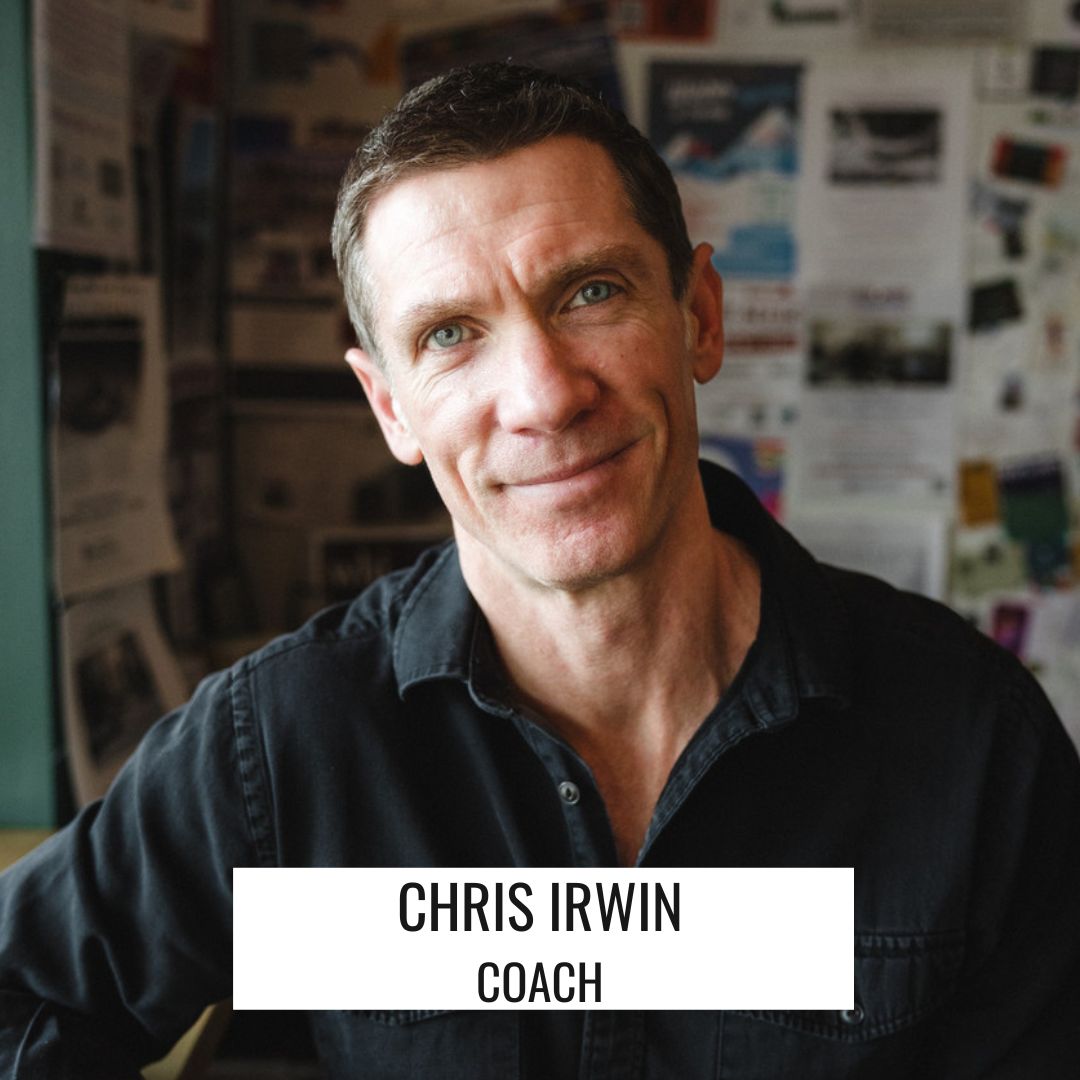
Who is Chris Irwin

The bridge between PTSD and Parkinson's
A soldier goes to war as a whole person but can come home "broken" due to post-traumatic stress disorder. Everyone knows this relationship and understands this connection. What only a few realize is that a person with a chronic disease like Parkinson's has signs of PTSD but cannot relate to which of the episodes in their life that gave them these symptoms. Instead, they have a few more significant and smaller traumas - or body memories, as we call them.
- Lilian Sjøberg Founder of HOPEshortcut.com
Chris and Hope shortcut
Gary Sharpe introduced Lilian to Chris, and this interview started their cooperation. Listen to learn more about him.
Chris' recovery
The shift toward recovery happened when he realized all the ways his mind was at the root of his illness and started working to reverse the damage he was doing. Over the next few years, he explored every aspect of mental training he could find, from meditation and breathing to emotional release techniques and energy work. Eventually, he rid himself of all his symptoms, including the physical ones, and emerged with a new lease on life and an understanding of what it takes to build a genuinely fit mind.


Treating invisible wounds
Unfortunately, very few people understand the power they have to heal themselves. Chris’ mission now is to teach others the methods he uncovered in a structured methodology. Treating invisible wounds, decoding mysterious conditions, and ultimately thriving are all possible. And none of it requires supplements, drugs, or therapy.
The seven mind killers
Chris’ work centers on the seven “mind-killers,” tendencies we all have to sabotage our mental health, and learning effective countermeasures for each. His holistic approach involves meditation, breathwork, journaling, and other exercises designed to develop better mental habits and build mind fitness.